My life in pixels
A story of passion — from Merlin to the App Store.
Before screens
Honestly, when I look back on it all today, I realise my passion wasn't built in a day. It took shape little by little, without me really noticing.
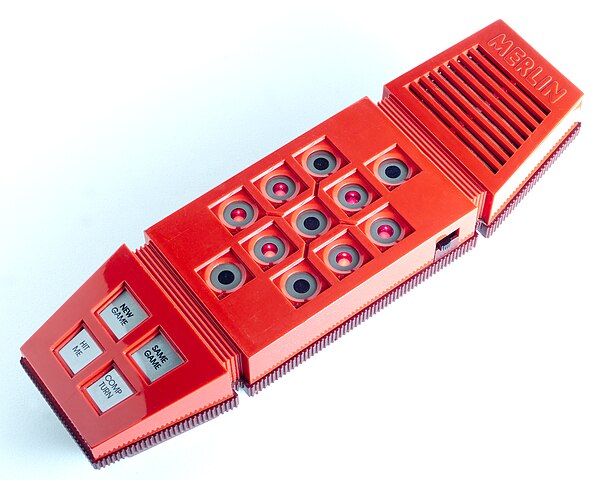
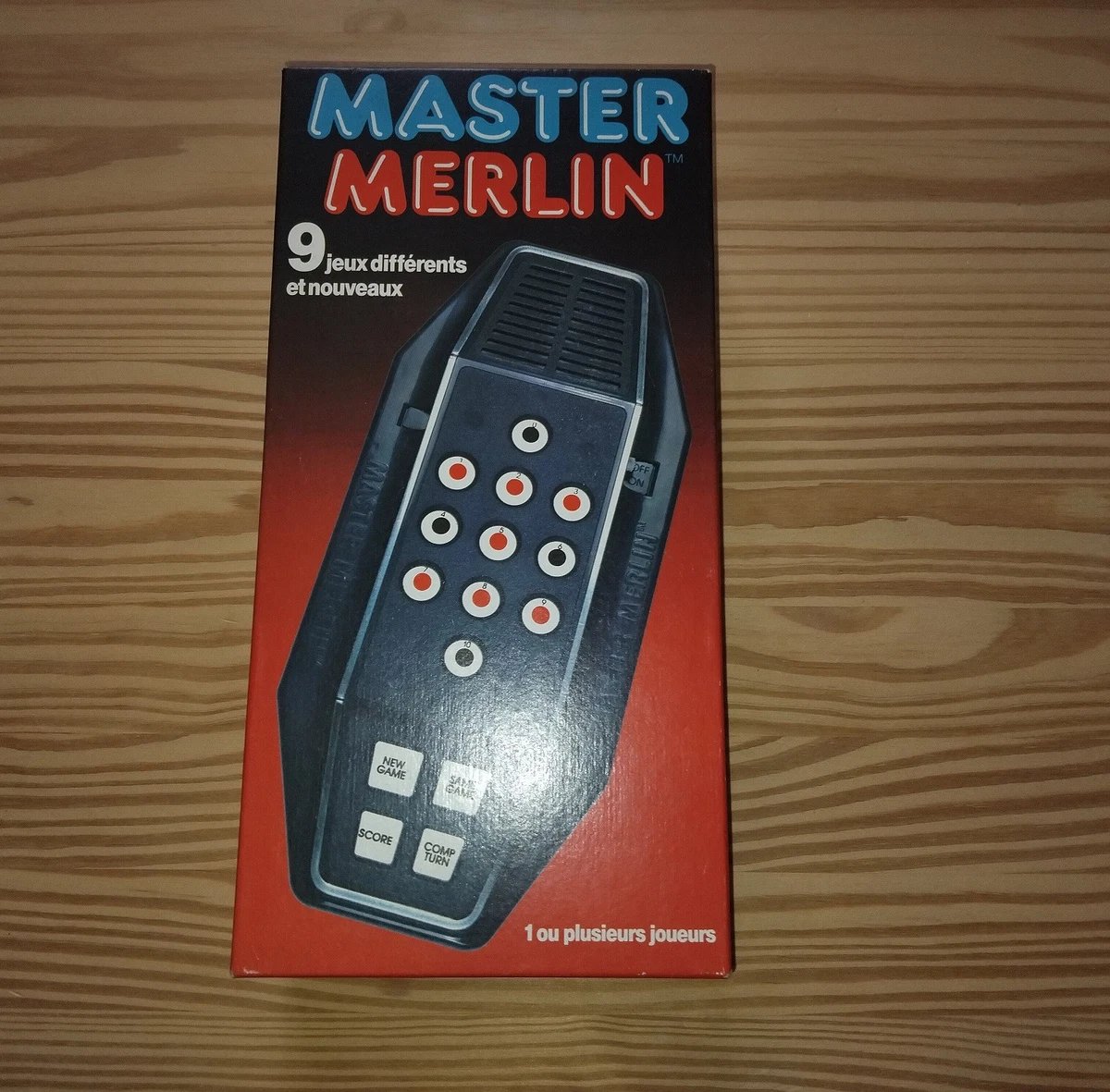
I can still see myself as a kid, holding that little red object in my hands. No screen, no graphics — just lights blinking on and off.
It was Merlin.
Back then, I didn't even know it was an “electronic game”. To me, it was simply fascinating. I could sit there, motionless, completely absorbed, trying to figure out how it worked, repeating the sequences.
Looking back, I realise it wasn't just a toy — it was already the start of something. A deep urge to understand how things worked.
That's where it all began.
Making do
In the 80s, I started really wanting a games console. Not like today's — a console with pixels and simple shapes, where they told you that blob was a character and you had to imagine all the rest.
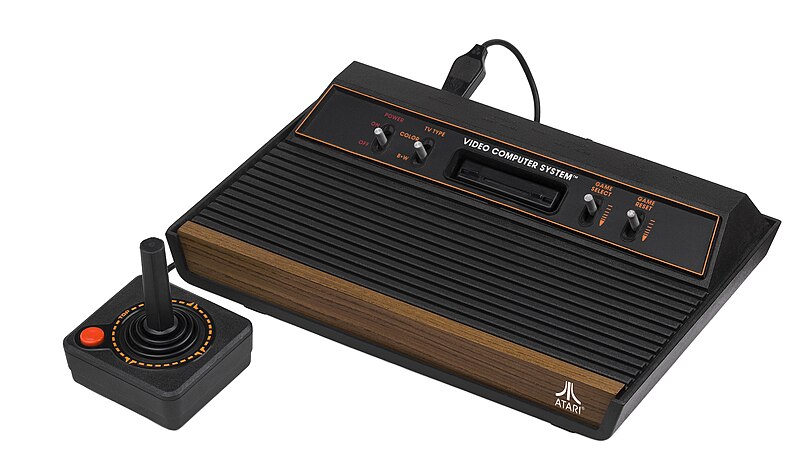
I really pestered my mother about it. And one day, at Christmas, I was lucky enough to get one: the Atari 2600.
But there was a problem. A real one. I didn't have a working television.
So, instead of giving up, I salvaged an old TV the neighbours were throwing out because it wouldn't switch on anymore. I opened it up, without really knowing what I was doing. I looked, touched, tested…
And it came back to life.
I wasn't even watching the game — I was mesmerised by the fact that I'd managed to fix it. It left a deep mark on me. I'd understood that you could understand things, repair them, act on them. That nothing was out of reach.
And then I started playing. Pole Position, where I was a racing driver. Crystal Castles, with that little bear in a maze — a real adventure in my head. Kangaroo, where I fought to protect my joey. And Pigs in Space, with the Muppet Show universe, completely bonkers.
👉 You can repair, understand, create.
Gifts from Japan
My godfather worked for an international bank and travelled the world. He always brought back things you couldn't see anywhere here.
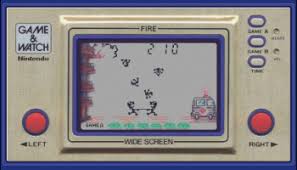
One day, he came back from Japan with a little machine. A Game & Watch. And on it, a game called Fire. A building in flames, people jumping out of windows, and me at the bottom with a stretcher, trying to catch them and save them.
It was simple, very simple, but in my head it was intense. I wasn't playing — I was saving lives. I could spend hours on it. I took it everywhere, and in the morning it even served as my alarm clock for school.
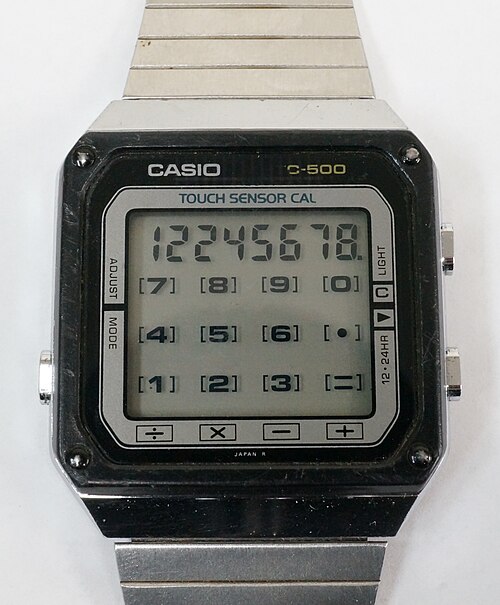
And then another gift, even more astonishing: a black calculator watch, brought back from Japan. It worked as a calculator, but above all… each key played a musical note. You could play melodies on a watch.
For a kid in the 80s, it was science fiction on your wrist.
Japan was the future. And my godfather brought it back to me as a gift.
The magic of code
A few years later, I no longer just wanted to play — I wanted to understand and create. It all started with a neighbour who had a ZX81. A black-and-white computer, no sound, with a very peculiar keyboard. I was instantly fascinated.
I went home and asked my mother if I could have one. She said no. But I told her something I've never forgotten: “One day, I'll have a computer.”
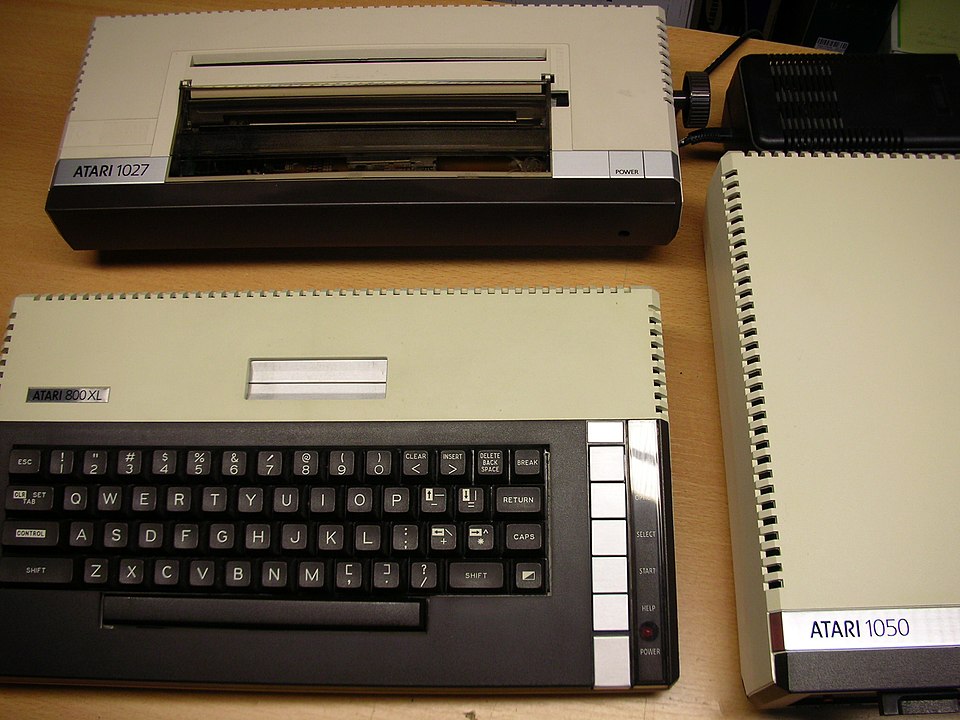
And that day came. For my birthday, she gave me an Atari 800XL. I was over the moon. My mother, a little less so — because the computer was plugged into the living-room TV and I spent entire hours on it.
I started programming in BASIC. Lines and lines of code. But at first, I had no cassette recorder. Everything I created vanished the moment I switched the computer off. It sounds crazy today, but that's how it was back then. And still, I kept going.
But when it works… it's magic.
Later, I got a cassette recorder. And at last, I could save my work. With those electronic noises, those strange sounds, like the first modems. You'd start the loading, almost have time to go do something else, and come back hoping it had worked. And when the program finally launched, it was a small victory every time.
Sharing, swapping, discovering
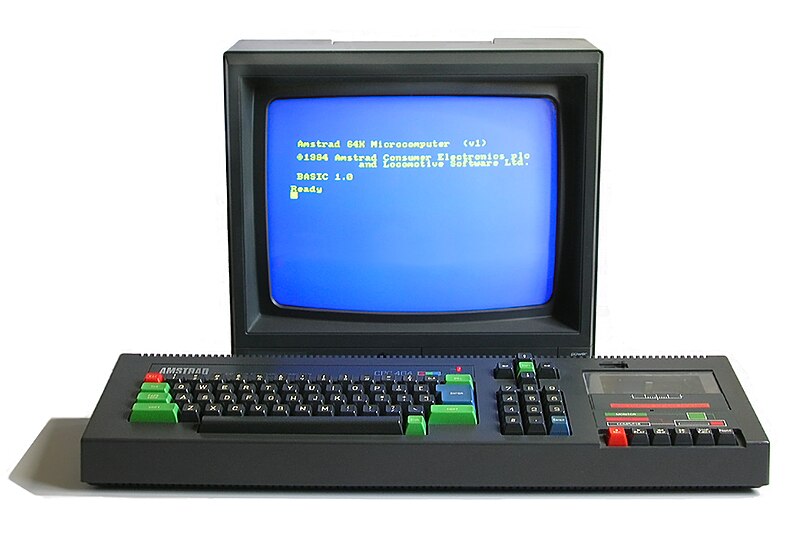
Then came my first summer job. And with the pay, I could buy myself my Amstrad CPC 464. A real revolution. I had my own screen, in my own room. A space of my own.
The games were prettier, smoother. And above all, there were my mates. We swapped tapes, copied games. We just wanted to play and discover. It was another era.
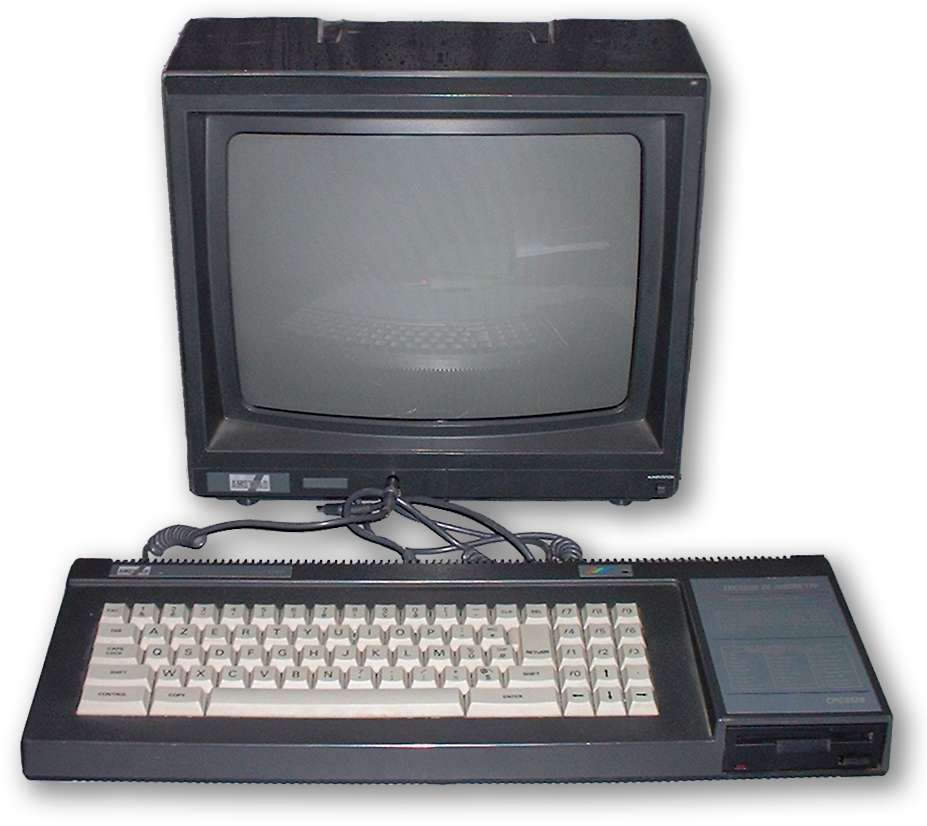
Then I moved up to the Amstrad CPC 6128. And with it… floppy disks. Faster, more convenient. 3-inch disks you could flip over to get to another game.
And there again, I programmed, tested, created. I'd even bought a dot-matrix printer. When I printed my very first message, “I love you mum”, it was a powerful moment. It was more than text on paper — it was something tangible, real, that my machine had created.
👉 Video games become a culture.
Creating instead of playing
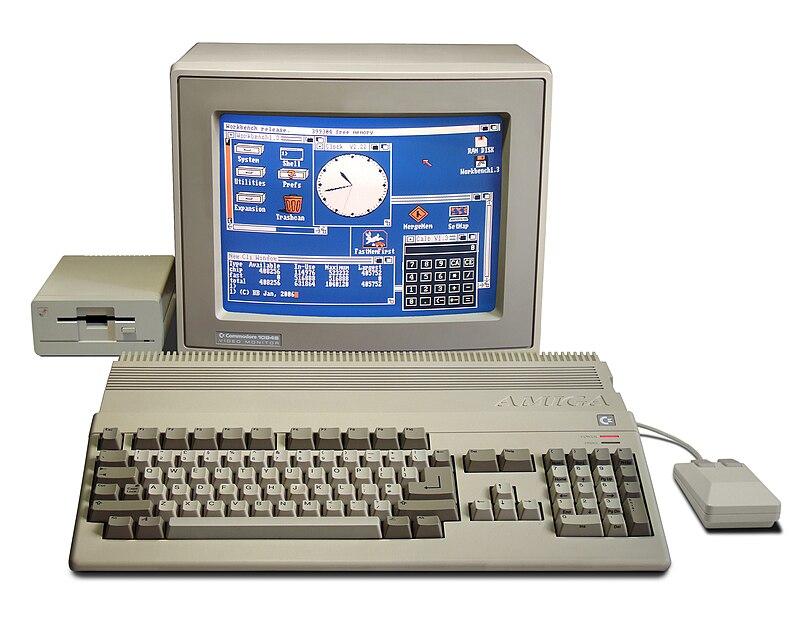
And then one day, my mother asked me to choose: a VCR or a computer. I didn't hesitate for a single second. I chose an Amiga. Because to me, it was the ultimate machine.
When I got the Amiga 500, it blew me away. The colours, the stereo sound, the smoothness of the animations… nothing like anything I'd known before. I spent hours on it. Entire nights. I lost all track of time.
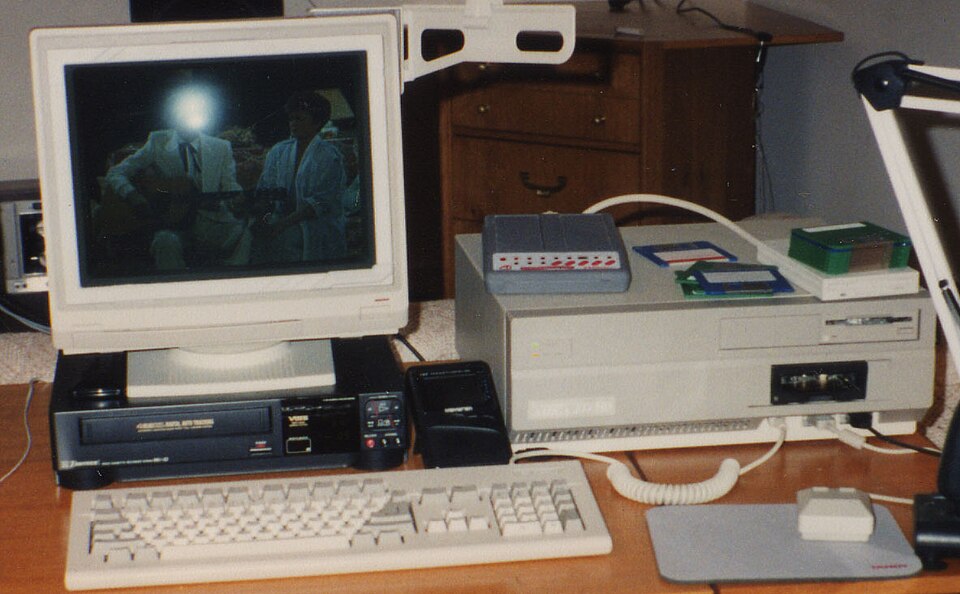
And then I wanted to go even further. I gave my Amiga 500 to my nephew and bought myself an Amiga 2000. An incredible machine, but very expensive. I worked hard to afford it. And with that machine, I even had a card that let me switch between the Amiga environment and the PC.
Now I'm no longer just playing. I'm creating.
I joined a group: QUARTZ. We made demos — those little programs that push the machine to its limits. There was Diego Fernandez, Sylvain Keygnart, and the developer François Mouret. We spent entire weekends creating together. I had a camcorder and a system for digitising images. You had to use red, green and blue filters and, above all, not move a millimetre. Otherwise, everything was ruined.
But it's extraordinary.
The dream comes true
And then one day, my life took a completely unexpected turn. I came across an ad: “If you love playing games, come join us.”
I work at Nintendo.
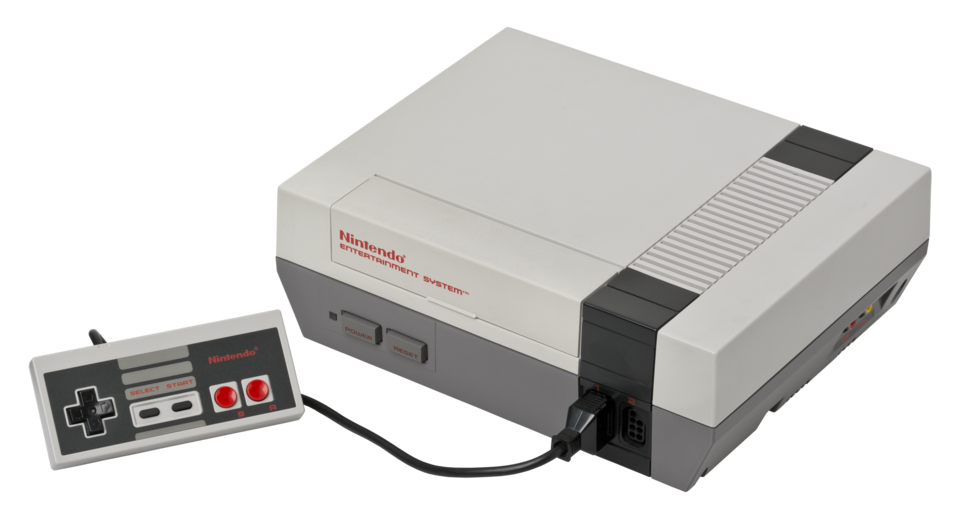
I went for an interview. I still remember the room, the booths, people playing on Nintendo Entertainment Systems. I turned to the manager and asked: “Wait… they get paid?” He laughed and said yes. A few days later, I was hired.
To me, it was unreal. Even though graphically the NES was less impressive than the Amiga, the games were on another level. Zelda, Mario… hours and hours of wonder.
And then the Game Boy arrived. With Tetris. It was the Game & Watch all over again, but evolved. You could play anywhere. The loop was closed.
👉 I become Mario.
In the shops. At the trade fairs. I see stars in people's eyes.
And I tell myself: “I'm exactly where I'm meant to be.”
Life's turning points
Life moves on. The passion stays, but the path forks.
Joystick & Joypad — on the Minitel, that ancestor of the Internet where everything still seemed left to invent.
Ocean Software — a great adventure at the legendary publisher, the one that inspired my nickname “Alocean”.
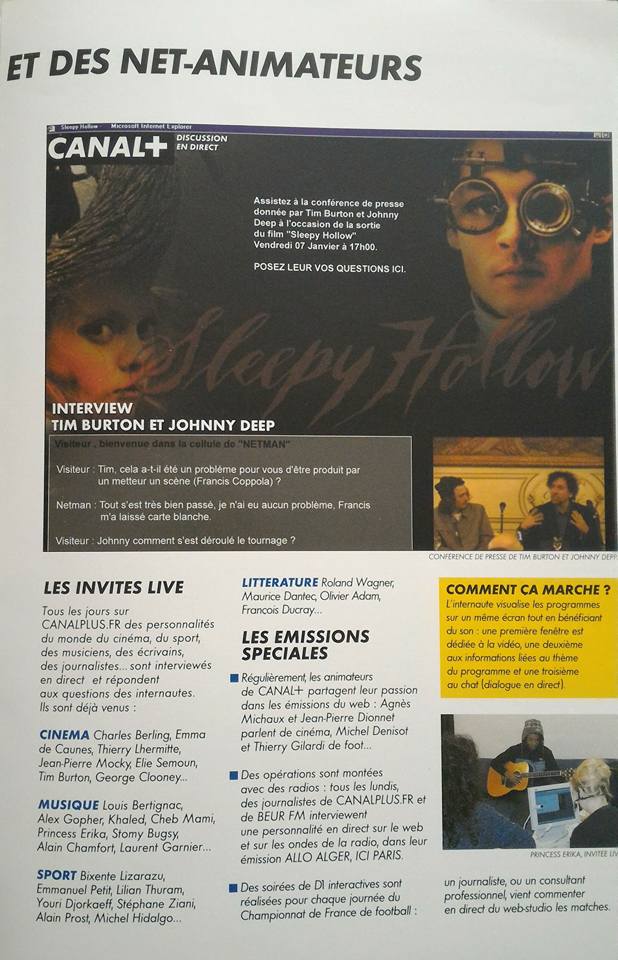
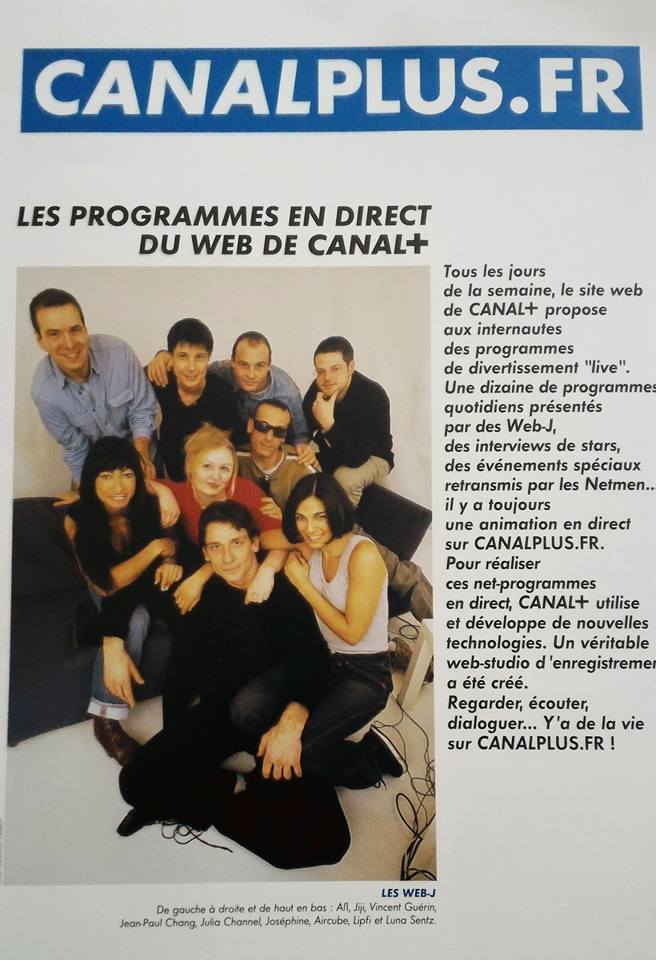
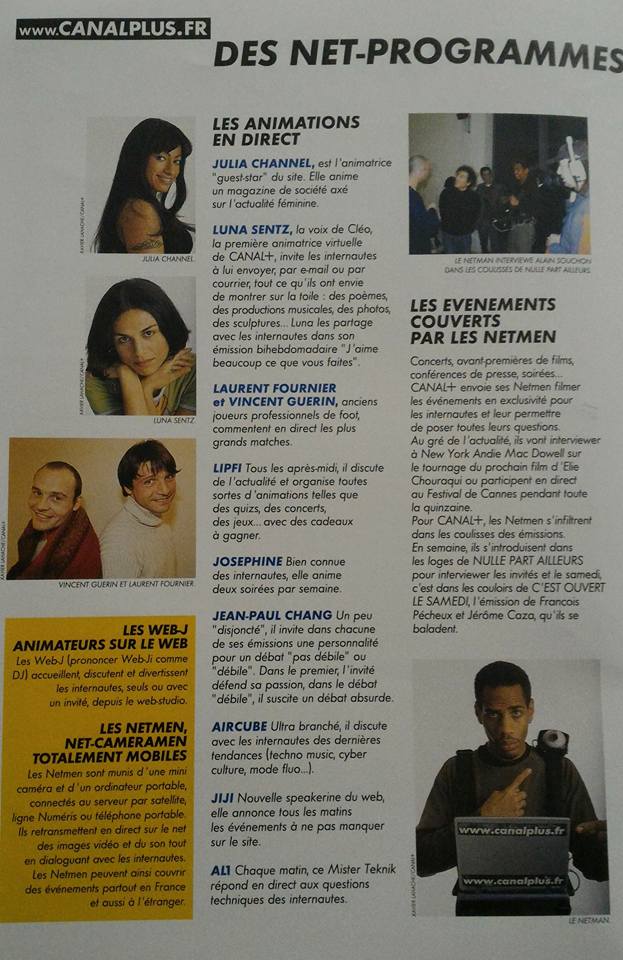
Canal+ Multimédia — Mister Teknik. The story takes a turn. After joining Canal+, I became a WEB-J on canalplus.fr — a web DJ, in a way. Every morning, filmed live from the web studio, I answered viewers' tech questions. Under the name Ali, Mister Teknik, I talked about new technology while the audience interacted in real time through their browser.
There were about ten of us WEB-Js: Julia Channel, Aircube, Lipfi, Jiji, Jean-Paul Chang, Joséphine… along with the Netmen, mobile cameramen who covered events live on the web with mini-cameras and laptops connected by satellite. The ancestor of YouTubers and streamers. Before Twitch, before YouTube… there was canalplus.fr.
Then the choices. Refusing to leave. Changing direction.
Ordixpress — starting my own company. Being an entrepreneur, alone, with everything to build.
Systra — a defining experience in engineering.
Leaving Paris. Changing countries. Starting over.
Haute-Savoie, then Switzerland
In Haute-Savoie, I never really let go of code. I was already building WordPress websites for friends — a hairdresser, and a mate who'd just started his own business.
Then I moved to Switzerland. For a while, I drifted away from computing. I worked in kiosks. A pause. But not an ending.
A few years self-employed too: computer repair and IT training for the elderly. Passing knowledge on, reassuring, making tech accessible to everyone.
Then an unexpected opportunity came along. I became a special-needs support worker.
And today… I'm going back to school. Me. Back to studying. I'd never have believed it.
Code, once again
For the past five years, I've been supporting people with disabilities at the Les Perce-Neige Foundation in Switzerland, in the canton of Neuchâtel. A job of the heart.
And in the evenings and on weekends, I've gone back to my first love: code. Except today, I no longer copy programs out of a magazine — I create my own apps and publish them on the App Store and Google Play. Often inspired by my daily life as a support worker: accessibility, inclusion, care.
I also build websites for the people around me — friends, family, acquaintances — out of passion.
From the kid who fixed a TV and copied out programs on the Atari… to the creator publishing his apps on the stores. The loop is closed.
A part of me
The years go by. Consoles change. Technology evolves. But me…
I still play.
Nintendo, PlayStation, emulators. Because it's not just a hobby.
👉 It's a part of me. It always has been.
And I know that somewhere out there… you understand exactly what that means. ☺️